Why Filtering Alone Is Not Enough for Frying Oil Maintenance
Many restaurants and food processing facilities already use filter paper as part of their daily oil maintenance routine. While filtration is essential, filter paper alone only removes larger food particles and visible residue from frying oil.
The deeper issue is what remains inside the oil after filtering.
What Standard Oil Filtration Removes
Traditional oil filter paper is highly effective at removing:
- Food crumbs
- Carbonized particles
- Batter residue
- Large suspended solids
This helps improve oil clarity and prevents burnt particles from affecting food quality.
However, filtration alone cannot fully remove the dissolved contaminants that continue to degrade frying oil over time.
The Hidden Problem: Free Fatty Acids and Oxidized Fatty Acids
During repeated frying cycles, oil naturally breaks down and forms:
- Free Fatty Acids (FFA)
- Oxidized Fatty Acids (OFA)
These compounds create sticky, gummy residue inside the oil and increase overall oil acidity.
As the concentration of these degraded compounds rises, operators may experience:
- Faster oil darkening
- Increased smoke generation
- Off-flavors in fried food
- Reduced frying performance
- Shorter oil lifespan
Because these contaminants are dissolved in the oil, standard filter paper cannot fully capture them.
How Fry Oil Powder Works
Fry oil powder is designed to work together with the filtration process.
The powder absorbs free fatty acids (FFA) and oxidized fatty acids (OFA), converting them into larger solid particles that can then be removed during filtering.
This process helps:
- Reduce gummy residue in the oil
- Improve oil cleanliness
- Slow down oil degradation
- Extend usable oil life
As a result, commercial kitchens can maintain more stable frying performance while reducing oil replacement frequency.
Why Magnesium Silicate Fry Oil Powder Is Commonly Used
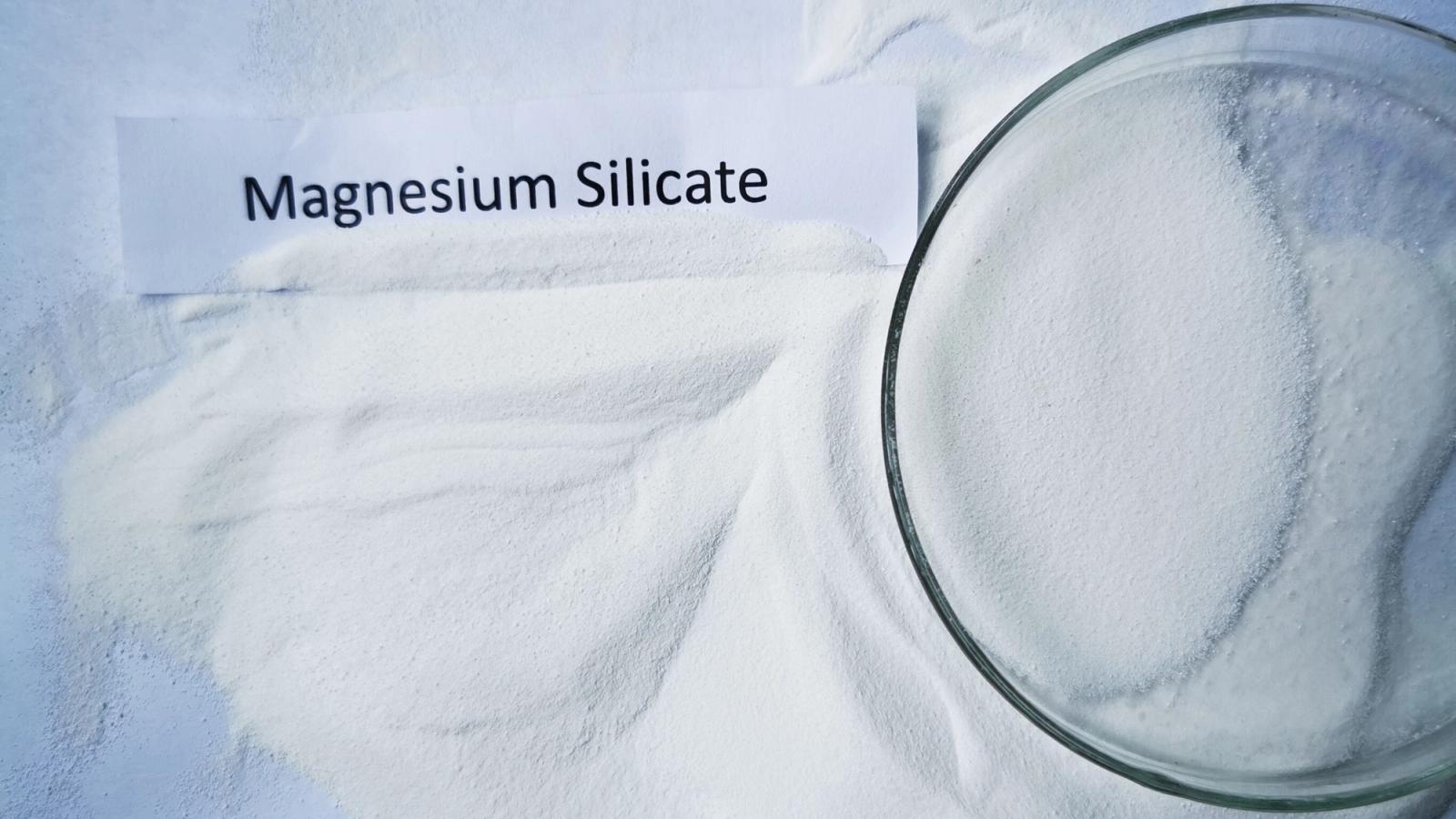
Most fry oil powders are made from magnesium silicate.
Magnesium-based compounds are widely used because they are chemically stable and suitable for food-contact filtration applications.
A high-quality fry oil powder should offer:
- Free-flowing performance
- Stable filtration behavior
- High food-grade purity
- Effective absorption of fine contaminants
In addition to absorbing degraded fatty compounds, fry oil powder can also help remove extremely small carbon particles that remain suspended in the oil after frying.
These fine particles may contribute to faster oil breakdown and increased acidity during continuous frying operations.
The Role of Fry Oil Powder in Commercial Frying Operations
For high-volume restaurants, fast food chains, and food manufacturers, combining filter paper with fry oil powder creates a more complete oil management system.
While filter paper removes larger debris, fry oil powder targets the microscopic contaminants responsible for ongoing oil degradation.
Used together, they help support:
- Longer oil life
- More consistent food quality
- Cleaner frying systems
- Improved operational efficiency
Conclusion
Filter paper is an essential first step in frying oil maintenance, but it only removes visible particles.
Fry oil powder adds another level of filtration by helping absorb and remove degraded fatty compounds that standard filtration cannot capture on its own.
For commercial kitchens aiming to improve oil performance and reduce operational costs, combining filter paper with fry oil powder can provide a more effective long-term oil management solution.