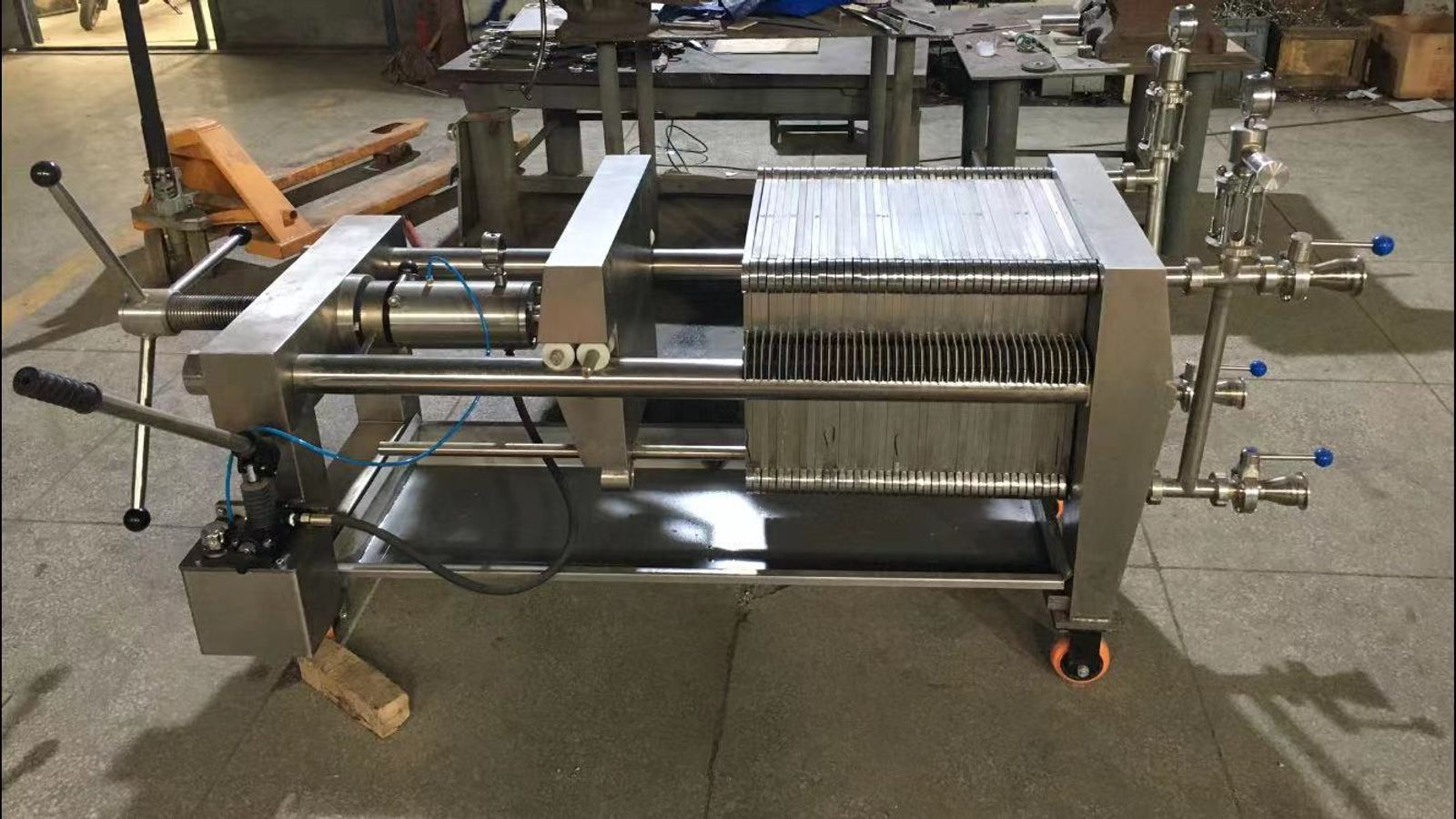
What Are Depth Filter Sheets? Working Principle
Depth filter sheets are typically made from refined cotton pulp, wood pulp, and sometimes glass fiber or synthetic fibers. They are manufactured through fiber beating, wet-strength treatment, and curing processes to form a three-dimensional depth filtration structure.
Unlike surface filter paper, depth filter sheets trap particles inside the sheet, not only on the surface. This allows:
- Higher dirt holding capacity
- Longer service life
- More stable filtration performance
- Better clarification results
The filtration mechanism includes:
- Depth interception
- Mechanical screening
- Inertial particle capture
This is why filter pads are commonly used for clarification and pre-filtration before membrane filtration.
Core Characteristics of Depth Filter Sheets
Depth filter sheets usually have the following features:
- Controlled and uniform pore size
- High dirt holding capacity
- Good wet strength
- No fiber shedding
- Suitable for water, oil, and chemical liquids
- Some grades can be rinsed and reused
- Compatible with plate and frame filter presses
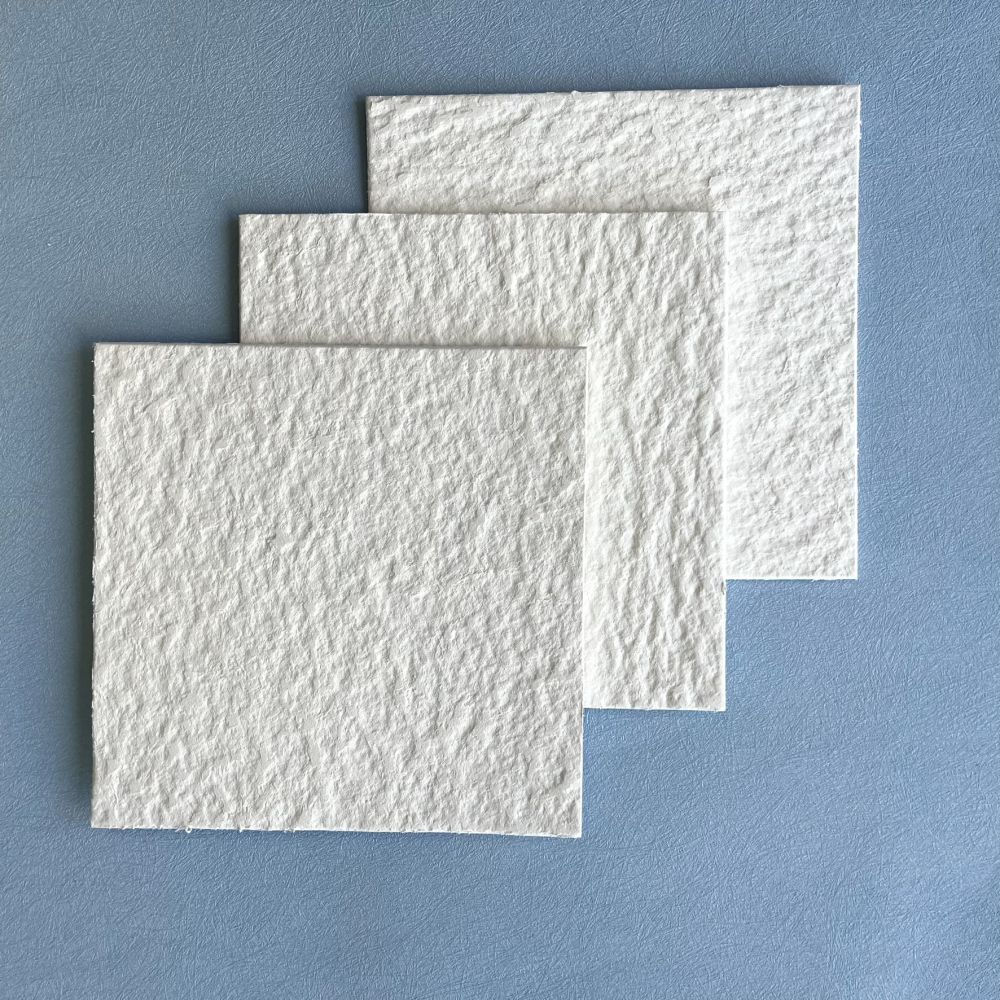
How to Choose the Right Depth Filter Sheets
Choosing the correct filtration grade is the most important step.
1. Selection by Filtration Grade
Depth filter sheets are usually divided into several filtration levels:
Support sheets (very coarse filtration) These are used as support layers or for pre-coating with diatomite, perlite, or activated carbon. They protect fine filter sheets and extend service life.
Coarse filtration sheets Used to remove large particles and suspended solids. Common applications include syrup filtration, soy sauce filtration, and oil filtration.
Fine filtration sheets Used to remove small particles such as yeast, proteins, and colloids. Common in beer, wine, juice, and beverage clarification.
Sterile filtration sheets Used for very fine filtration and bacteria reduction. Often used in pharmaceutical liquids, sterile beverages, and wine sterilization processes.
2. Selection by Application Industry
Different industries use different types of filter pads:
Food and beverage filtration Used for juice, beer, wine, syrup, and edible oil filtration. Requires food-grade compliant materials.
Oil and petroleum filtration Used for lubricating oil, diesel, transformer oil, and marine fuel oil filtration. Requires oil-resistant and high-strength sheets.
Activated carbon filter sheets Used when decolorization, deodorization, and impurity removal are required at the same time.
Pharmaceutical filtration Requires pharmaceutical-grade depth filter sheets with high cleanliness and consistent filtration performance to meet GMP requirements.
Installation Guide for Depth Filter Sheets
Correct installation is extremely important. Installing filter sheets in the wrong direction will greatly reduce filtration performance.
Follow these steps:
Step 1 – Pre-wetting Soak or spray the depth filter sheets with clean water to remove air inside the sheets and prevent filtration bypass.
Step 2 – Identify the correct direction Normally, the rough side faces the liquid inlet, and the smooth side faces the liquid outlet.
Step 3 – Check sealing gaskets Make sure gaskets are not damaged to prevent leakage and bypass.
Step 4 – Tighten evenly Apply even pressure to the plate and frame filter press. Avoid uneven pressure that may bend the sheets or cause leakage.
Step 5 – Pre-rinse and deaeration Use hot water circulation for about 10–15 minutes to remove air and sterilize the system if necessary.
Correct installation can significantly improve filtration clarity and service life.
Maintenance Tips for Depth Filter Sheets
Proper maintenance can reduce filtration costs and extend service life.
Control filtration flow rate If the flow rate is too high, the sheets will clog quickly. Slow filtration is better for high-viscosity liquids.
Remove filter cake in time After filtration, remove the filter cake promptly. Do not scrape the sheets aggressively.
Reusable sheets Some depth filter sheets can be rinsed and reused. Use low-pressure water only. Do not use high-pressure cleaning.
Sterilization during intermittent use If the system is stopped for a period of time, sterilize to prevent mold growth.
Storage Store filter pads upright in a dry and ventilated area. Avoid moisture and heavy pressure.
Common Filtration Problems and Solutions
Problem 1 – Filtrate is cloudy
Possible causes:
- Depth filter sheets installed in the wrong direction
- Gasket leakage
- Filter sheets damaged
Solution: Reinstall correctly, replace gaskets, and check the filter sheets.
Problem 2 – Flow rate drops quickly
Possible causes:
- Too many impurities
- No pre-filtration step
- Filtration grade too fine
Solution: Use pre-filtration or choose a graded filtration combination (coarse + fine).
Problem 3 – Fiber shedding
Possible causes:
- Low quality filter pads
- Excessive washing or high-pressure cleaning
Solution: Use food-grade or pharmaceutical-grade depth filter sheets and avoid strong washing.
Problem 4 – Service life too short
Possible cause: Filtration grade not matched with particle size.
Solution: Use a combination of coarse depth filter sheet + fine depth filter sheet to extend service life.
Tips to Avoid Buying the Wrong Depth Filter Sheets
Tip 1 – Check certifications For food or pharmaceutical applications, make sure the filter sheets comply with food contact or pharmaceutical standards.
Tip 2 – Do not choose filtration grade blindly Higher filtration precision is not always better. It increases pressure and reduces service life.
Tip 3 – Choose the correct material Oil filtration requires oil-resistant sheets. High temperature or high pressure applications require reinforced wet-strength sheets.
Conclusion
Depth filter sheets may look simple, but they are critical to filtration performance and product quality. Correct selection, proper installation, and regular maintenance can greatly improve filtration clarity, stability, and cost efficiency.
Depth filter sheets are widely used in beer clarification, juice filtration, pharmaceutical liquids, oil filtration, and chemical processing. Choosing the right filter pads ensures stable filtration performance and reliable production processes.