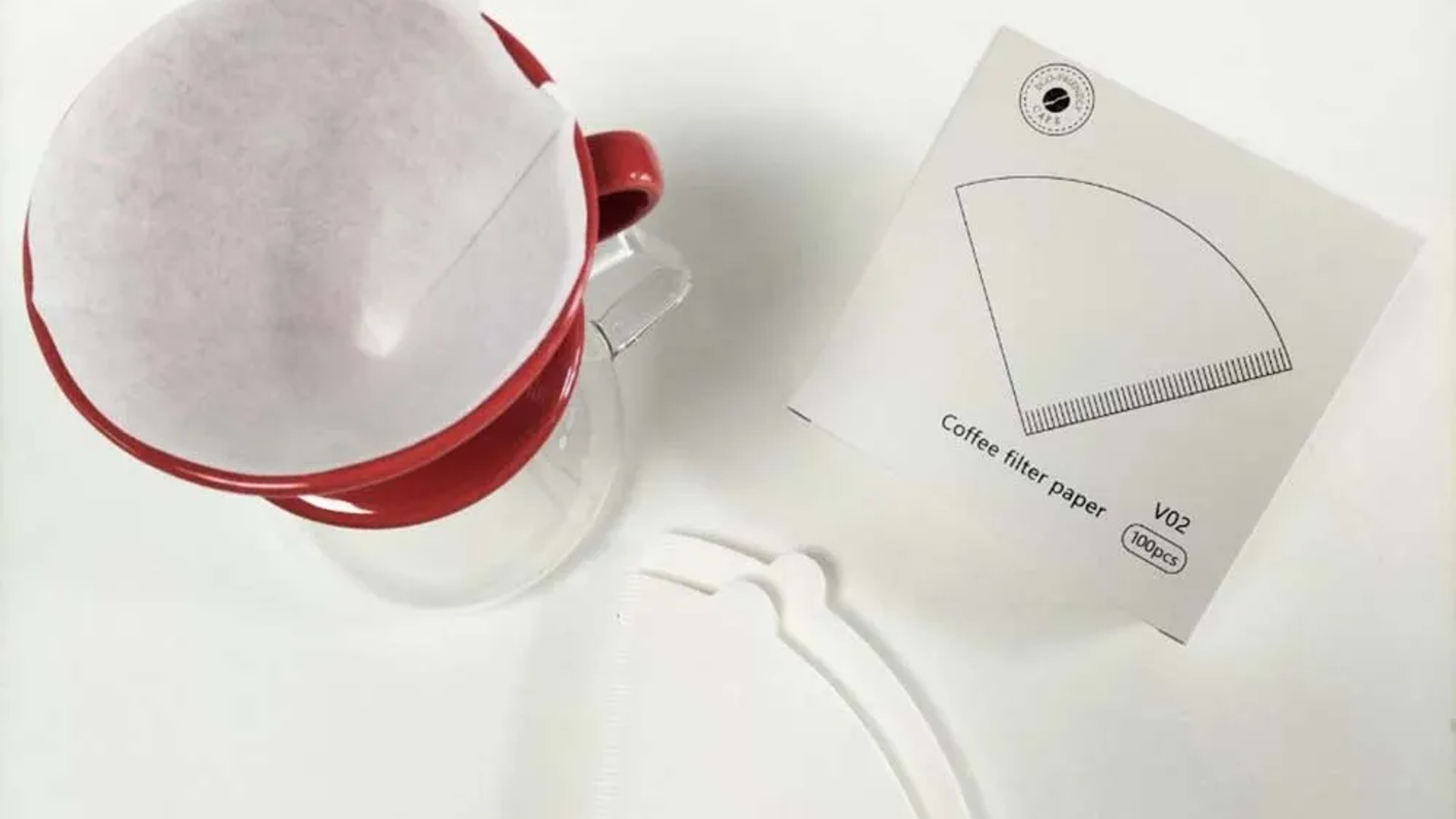
What Is Coffee Filter Paper, and Why Does It Matter?
Coffee filter paper is a porous, food-safe paper designed to separate coffee grounds from brewed coffee while controlling water flow rate. Unlike metal or cloth filters, paper absorbs excess oils and traps fine sediment, delivering a cleaner, brighter, and more consistent cup.
Its real superpower? Controlled extraction. The right porosity prevents under-extracted weak coffee or over-extracted bitterness, while keeping micro-grounds out of your drink for a smooth mouthfeel.
Paper Filters vs. Metal & Cloth Filters: Which Wins?
Before breaking down paper types, let's quickly compare the three most common filter options:
Paper Filters
- Pros: Clean, bright flavor; zero sediment; single-use & hygienic; no cleaning required; widely available; budget-friendly.
- Cons: Single-use creates waste (though most are biodegradable).
- Best for: Light/medium roasts, fruity/floral notes, beginners, anyone who hates cleanup.
Metal Filters
- Pros: Reusable; eco-friendly long-term; preserves more oils for a full-bodied cup.
- Cons: Lets sediment pass through; requires thorough cleaning; risk of stale oil buildup.
- Best for: Dark roasts, nutty/chocolatey profiles, sustainability-focused drinkers.
Cloth Filters
- Pros: Middle ground between paper and metal; retains some oils; reusable.
- Cons: High maintenance; must wash and dry fully; short lifespan.
- Best for: Experienced home baristas seeking balanced texture.
For most daily brewers, paper remains the most reliable choice for consistent, clean flavor without hassle.
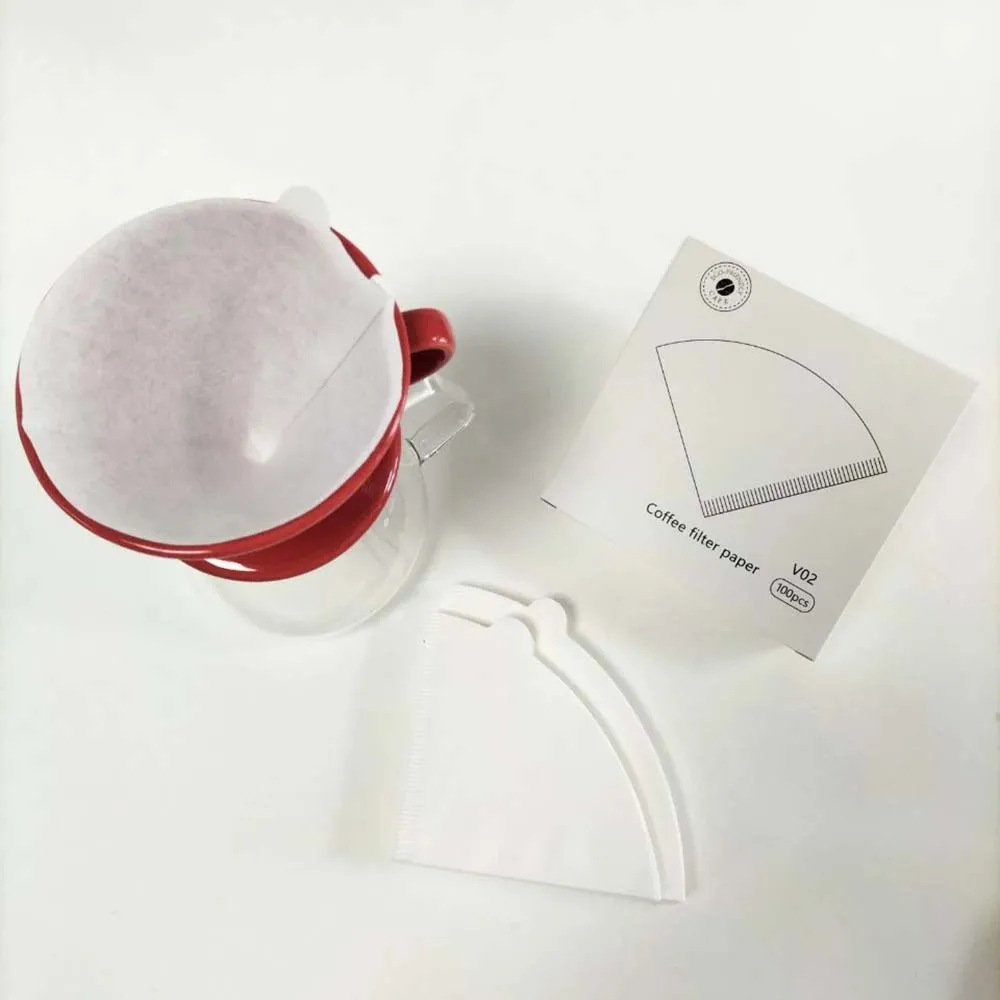
Key Types of Coffee Filter Paper
Not all paper filters are the same. Here's what you need to know:
1. Bleached (White) vs. Unbleached (Brown)
- Bleached Filters: Oxygen-bleached (chlorine-free), white, and neutral-tasting. They deliver the brightest, cleanest cup—ideal for highlighting fruity, acidic, or floral coffee notes.
- Unbleached Filters: Natural brown, unprocessed, with a subtle paper-like aroma (fades after pre-rinsing). They offer a slightly smoother, lower-acid cup, great for balanced, everyday blends.
Pro Tip: Always rinse your filter with hot water before brewing to remove paper taste and preheat your brewer.
2. Shapes & Sizes
Filter shape directly affects extraction flow:
- Cone Filters (#2, #4): Tapered design concentrates water flow for even extraction; used in Hario V60, Kalita, and cone-style drippers. #2 for 1–2 cups; #4 for 2–4 cups.
- Flat-Bottom/Basket Filters: Wide, shallow bed for gentle extraction; used in standard automatic drip machines; produces a fuller, smoother body.
- Disc Filters: Small, round filters for AeroPress, percolators, or single-serve adapters; ultra-clean cup with zero sediment.
3. Thickness Matters
- Thin Filters: Faster flow; brighter, lighter cup (risk of over-extraction if grind is too fine).
- Thick Filters: Slower flow; more balanced extraction; fewer grounds bypass; ideal for medium grinds.
Premium filters often feature ridged designs to keep paper away from the brewer wall, improving airflow and flow rate.
How to Choose the Perfect Filter Paper for Your Brew
Use this quick guide to match filter to your gear:
- Pour-over (V60/Kalita): Cone #2 or #4, bleached for clarity.
- Automatic drip machine: Basket/flat-bottom filters.
- AeroPress: Disc filters.
- Light roasts/fruity notes: Bleached filters.
- Medium/dark roasts: Unbleached filters.
- No-fuss cleanup: Any disposable paper filter.
Simple Tips for Brewing Better with Filter Paper
- Pre-rinse every time: Hot water eliminates paper taste and preheats your brewer.
- Match size to brewer: Too small = grounds overflow; too big = uneven extraction.
- Don't overfill: Leave space for blooming and water expansion.
- Dispose responsibly: Compost used filters (they're biodegradable) and toss grounds in garden soil.
Sustainability: Are Paper Filters Eco-Friendly?
Single-use doesn't mean bad for the planet. Most modern coffee filter paper is:
- Made from virgin or recycled fiber
- Biodegradable and compostable
- Free of chlorine and harmful chemicals
For zero-waste lovers, you can still use paper filters occasionally for clean cups, then switch to metal/cloth on a daily basis.
Final Thoughts
Coffee filter paper is the quiet foundation of a great home brew. It doesn't just strain grounds—it elevates flavor, ensures consistency, and makes specialty coffee accessible to everyone. Next time you brew, take a second to appreciate this small but mighty tool.
The best filter for you is the one that fits your gear, matches your taste, and fits your routine. Experiment with bleached vs. unbleached, thin vs. thick, and you'll be amazed at how much difference a simple piece of paper can make.
Brew clean, drink well.