How to Get a Cleaner Cold Brew: The Role of Final Filtration
Cold Brew: Simple to Make, But Not Always Clean
As the weather gets warmer, I find myself drinking more cold brew coffee.
The process is surprisingly simple: use the right coffee grind, mix it with water, and let it slowly extract in the refrigerator for around 8 hours.
There is no complicated brewing equipment and no need to stand beside the coffee maker.
Just coffee, water, and time.
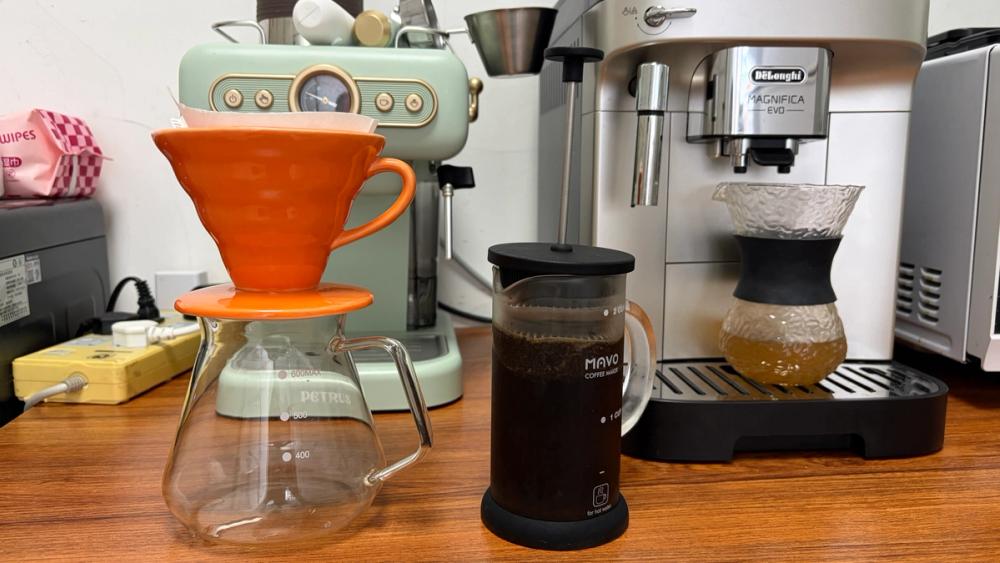
In my experience, a longer extraction can bring out a sweeter and more developed flavour. But there is one thing I noticed after making cold brew regularly:
A long extraction can also leave fine coffee particles and sediment in the final drink.
And if you prefer a clean and smooth cup, this can be a problem.
Why Does Cold Brew Contain Fine Particles?
Cold brew is usually made by immersing ground coffee directly in water for several hours.
During this process, not only soluble coffee compounds are extracted. Small coffee particles can also remain suspended in the liquid.
Some of these particles are large enough to settle at the bottom after extraction. Others are much finer and can remain in the coffee even after basic straining.
This is why a cold brew can taste good but still look slightly cloudy or contain sediment.
For home brewing, this may not matter.
But for coffee roasters, cafés, and beverage brands, the appearance and consistency of the final product can be much more important.
The Simple Solution: One More Filtration Step
My solution is very simple.
After the cold brew has finished extracting, I filter it one more time through coffee filter paper.
The basic process looks like this:
Coffee + Water → Cold Extraction → Coffee Filter Paper → Cleaner Cold Brew
The additional filtration step helps retain fine particles that remain after the initial brewing and straining process.
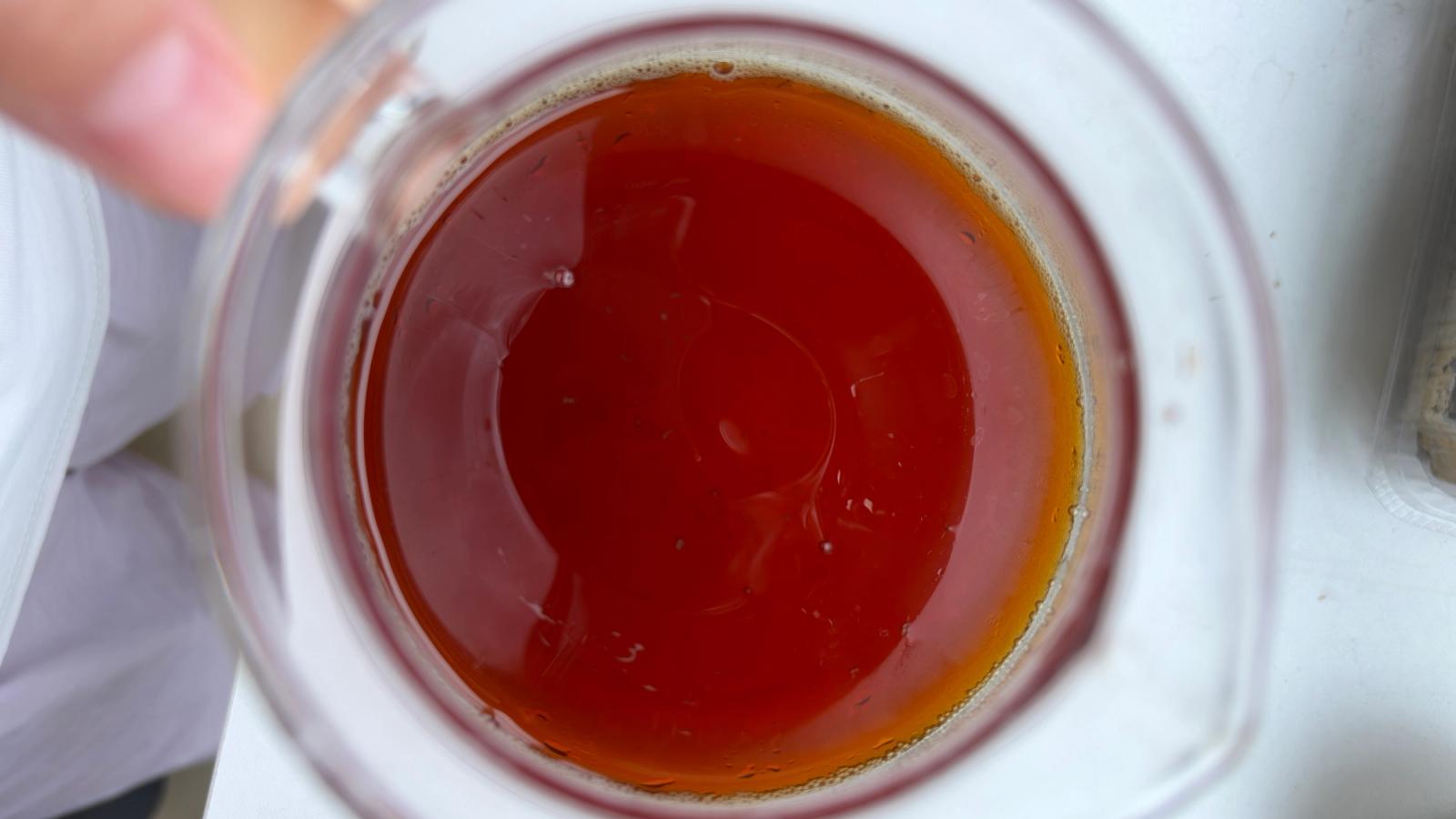
The result is a cleaner-looking cup with less sediment and fewer unwanted fine particles.
For me, this small extra step makes a noticeable difference.
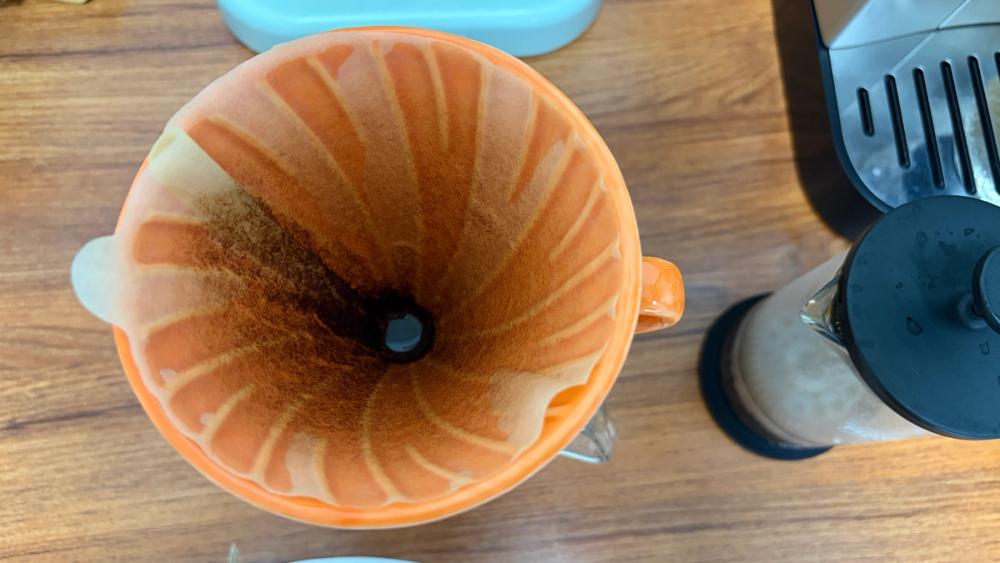
What Does a Cleaner Cold Brew Look Like?
The difference is especially easy to see when comparing the coffee before and after filtration.
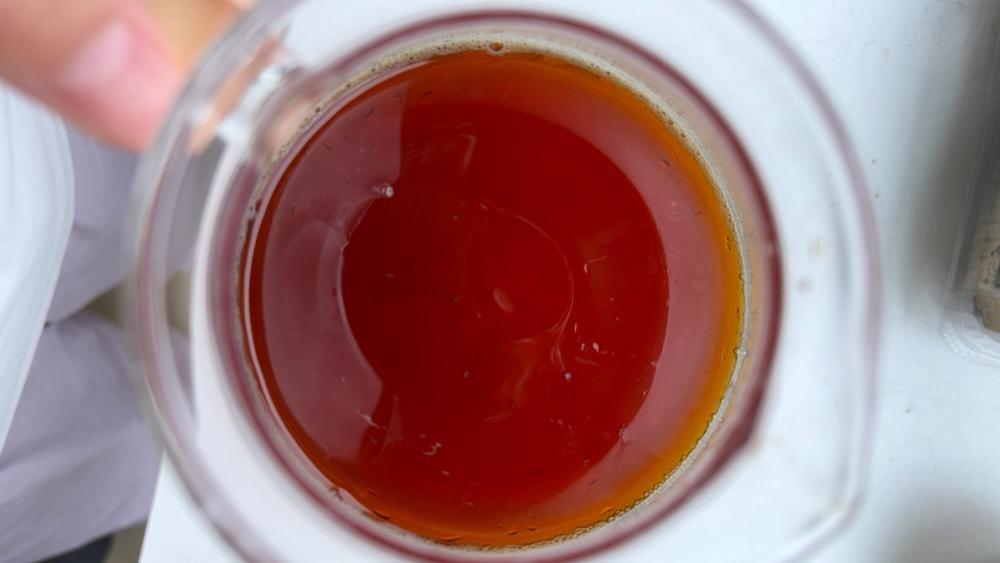
Before final filtration, the cold brew may contain visible particles or sediment.
After passing through suitable coffee filter paper, the liquid becomes noticeably cleaner.
The goal isn't to change the character of the coffee.
Instead, it is to remove unwanted particles while allowing the brewed coffee itself to pass through.
This is where the characteristics of the filter paper become important.
Why Filter Paper Matters
Not all filter papers provide exactly the same filtration performance.
For cold brew applications, several factors can affect the final result:
Filtration efficiency The paper needs to retain unwanted fine particles without excessively slowing down the filtration process.
Flow rate A filter that is too dense may make filtration unnecessarily slow, while a filter that is too open may allow more fine particles to pass through.
Paper thickness and structure The physical structure of the paper influences both filtration performance and flow behaviour.
Wet strength Because cold brew filtration involves a significant amount of liquid, the filter paper needs sufficient wet strength to maintain its structure during filtration.
Flavour neutrality The filter should help clean the coffee without introducing unwanted flavours or aromas.
For commercial applications, these factors become even more important because consistency needs to be maintained from batch to batch.
From Home Brewing to Commercial Cold Brew
For a home brewer, filtering one batch of cold brew is relatively simple.
For a coffee roaster or beverage producer, however, filtration can become part of the production process.
When cold brew is produced at a larger scale, the filtration solution needs to balance:
- Particle retention
- Filtration speed
- Coffee yield
- Final appearance
- Batch-to-batch consistency
- Filter size and format
- Production requirements
This means choosing coffee filter paper is not simply about finding the "finest" filter.
The right filtration solution needs to match the coffee, brewing method, equipment, and production process.
A Small Step That Can Improve the Final Cup
Cold brew is already one of the simplest ways to prepare coffee.
But if you want a cleaner and smoother final product, adding one more filtration step can make a meaningful difference.
For my own cold brew, the process is now simple:
Extract slowly. Filter carefully. Enjoy a cleaner cup.
For coffee roasters, cafés, and beverage brands, the same principle can be applied on a much larger scale.
The right coffee filter paper can become an important part of the final cold brew process — helping remove unwanted fine particles while maintaining an efficient and consistent filtration process.
Sometimes, achieving a better cup of coffee doesn't require changing the entire brewing method.
It may simply require one better filtration step.